Massage and herbal healing remedies are indeed as old as humanity itself, arising from an instinctive human need to alleviate pain and promote well-being. This practice is evident across early human civilizations and has roots in regions with some of the longest histories of continuous human habitation, including Thailand.

The early sources of Thai massage blend oral traditions, Buddhist religious texts, and stone inscriptions, all influenced by Indian and Asian medical practices. The legendary founder is considered a physician from India, though the practice has evolved significantly over centuries in Thailand.


Ancient Inhabitants: Archaeological evidence in present-day Thailand points to continuous human habitation for at least 20,000 years. Fossils of Homo erectus (Lampang man) have been found dating back as far as 500,000 to 1,000,000 years ago, and anatomically modern human remains date back around 29,000 years.
Early Settlements: Sedentary agricultural communities cultivating rice emerged at sites like Ban Chiang as early as 1500 BCE, indicating complex, long-established societies.
Traditional Thai Medicine (TTM): which includes Nuat Thai (traditional Thai massage), herbal medicine, nutrition, and spiritual practices, has been an integral part of Thai culture for centuries. While influenced by Indian and Chinese medical traditions (the founder of Thai massage is believed to have been a physician to the Buddha in India over 2,500 years ago), TTM evolved into a unique, independent system within the region.
The long history of human presence in Thailand provided ample time for these healing traditions to develop, be refined, and become an essential part of the cultural heritage, which continues to be practiced today. 1
The history of Thai massage is attributed to two key pillars: the physician Shivagakomarpaj, who laid the medical and spiritual foundation, and the Ruesi or hermits, who developed the self-care exercises that became integral to the practice.
The Ayurvedic practitioner who treated the Buddha and is considered the father of Thai traditional medicine.
A vital ritual among practitioners of Traditional Thai Medicine is the wai khru, or paying homage to Shivago and the unbroken lineage of masters who have preserved the tradition. The devotee recites mantras and makes offerings (usually incense) at an altar, taking care never to turn his or her back on it after the ceremony. The wai khru, which opens with the words Om namo Shivago, is performed in schools and massage facilities throughout the land.

Shivagakomarpaj: The “Father Doctor”
Shivagakomarpaj (also known as Jivaka Komarabhacca in India) is revered as the legendary founder of traditional Thai medicine and massage, with origins dating back over 2,500 years.
Ethical compassion: His practice was based on the Buddhist principles of Metta (loving-kindness) and compassion. In modern Thai massage, this is honored through the Wai Khru ceremony, a ritual prayer that expresses reverence to Shivagakomarpaj and other teachers.
Physician to the Buddha: A contemporary of the Buddha, Shivagakomarpaj served as his personal physician and cared for the monastic community. This established a deep historical connection between Thai healing arts and Buddhist spirituality.
Ayurvedic roots: He was trained in Ayurveda, an ancient Indian medical system, and had extensive knowledge of herbal medicine. These influences were likely carried to what is now Thailand by migrating monks around the 2nd century BCE.
Thailand has its own version of yoga-like
stretches known as ruesri dat ton
or ” hermit’s self-stretching.”
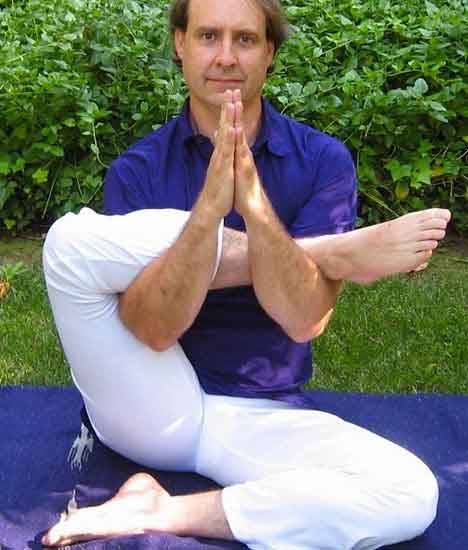
These exercises are similar to Hatha Yoga, and a link between the two is obvious.
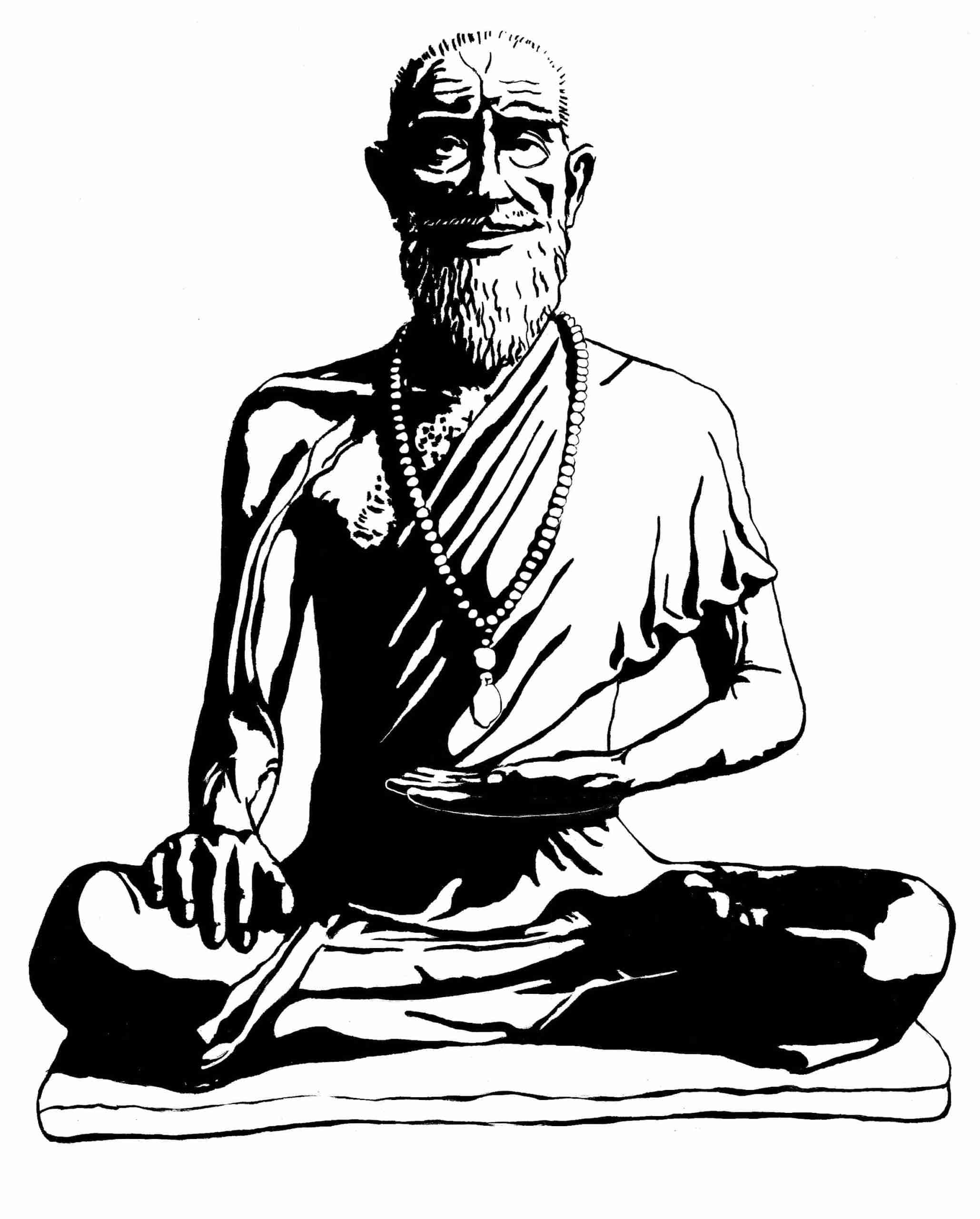
In Thailand, a Ruesi is a traditional hermit-like figure, also known as a Thai Hermit or Rishi, who practices meditation, develops powers through self-discipline, and possesses knowledge of traditional healing and the natural world. These ascetics chose this solitary, nature-oriented path to pursue spiritual enlightenment and a deeper understanding of the universe, often living in isolation to focus entirely on their practice. They are seen as a link between the human and divine realms and are credited with developing holistic healing techniques, such as Ruesi Dat Ton (Thai Hermit exercises).

Who are the Ruesi?
What did they do?
Why did they choose this path?
Cultural Significance: They hold a revered place in Thailand’s spiritual and artistic narrative, serving as figures of spiritual guidance and wisdom.
Spiritual Realization: The primary reason was to achieve spiritual enlightenment and a profound connection to the universe.
Pursuit of Knowledge: They sought to understand the deeper meanings of life and nature, often through direct experience rather than study only.
Holistic Healing: The Ruesi path combined physical, mental, and spiritual disciplines, focusing on achieving harmony between body and mind.
C-IAYT, E-RYT500, YACEP, A Yoga Therapist for an Integrated Pain Management Clinic in Watertown, NY, helping people to manage and reduce their chronic pain naturally.
David is extremely well-informed on the practice of Ruesri Dat Ton. I participated in several classes with him in person, and the way he lovingly guides his body through the lessons is not only highly effective but also an inspiration to me for the term “SELF CARE”.

ISBN-10
1533201013
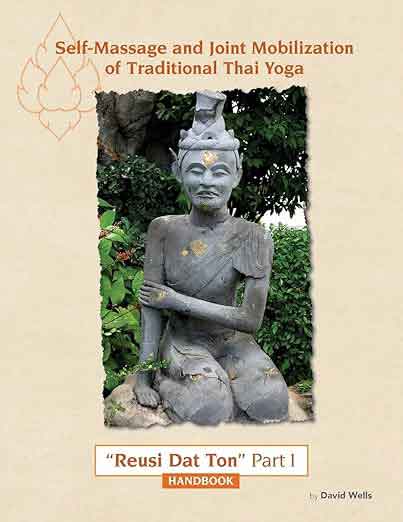
Learn how to reduce joint pain and stiffness and muscle aches and pain naturally with this fully illustrated, step-by-step guide to the Self Massage and Joint Mobilization Techniques of Traditional Thai Yoga “Reusi Dat Ton,” the traditional holistic self-care system of Thailand.